The Scarcity Filter
For as long as I've been building things, and that's over 25 years now, there's been a filter running in the background of every product conversation I've ever had.
It's not a written rule. Nobody puts it on a slide. But it shapes everything.
The filter is this:
'We only seriously consider building the things we can afford to build.'
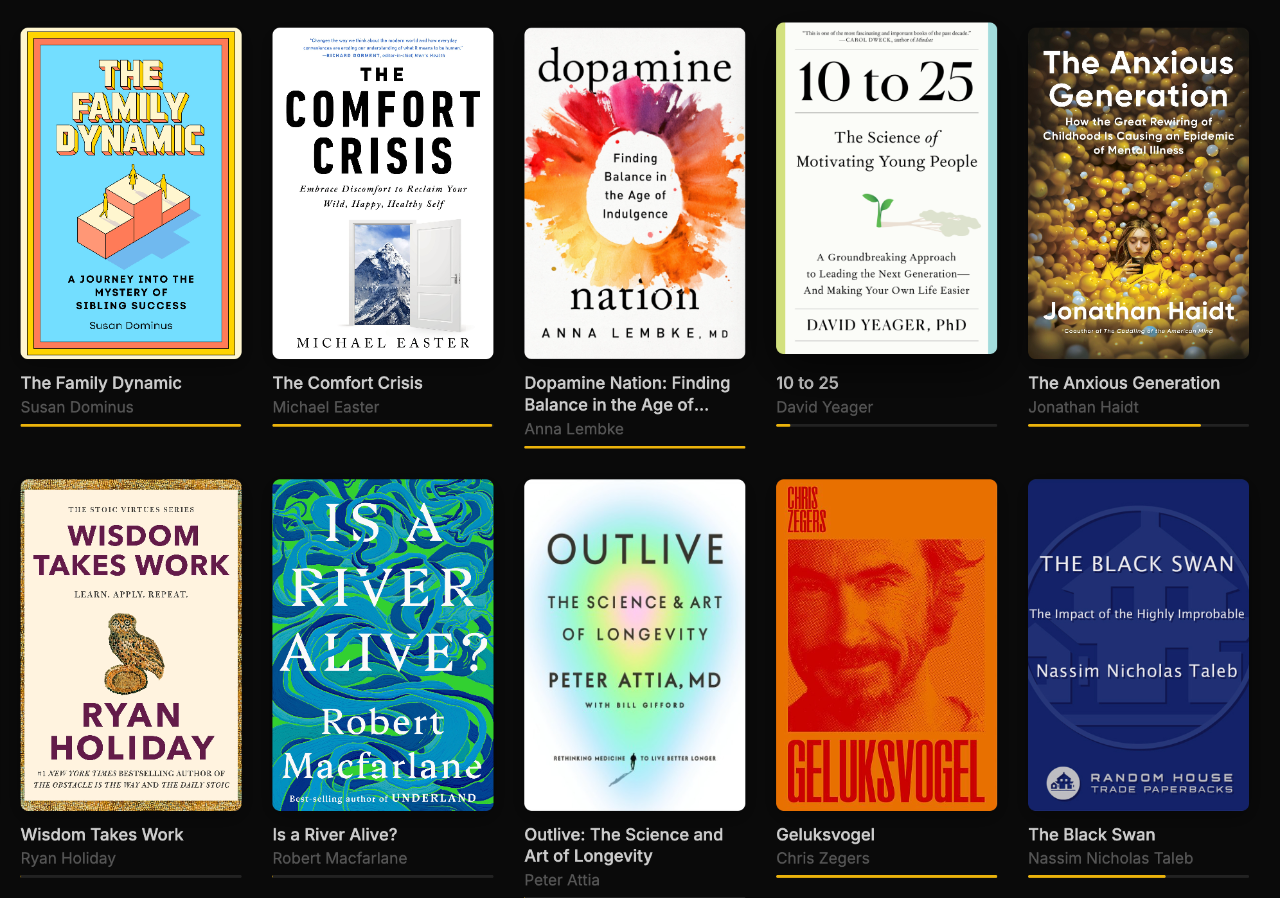
above: Screenshot from my E-reader Note plugin app.
And for most of the history of software, what you could afford to build was determined almost entirely by one constraint: Developer resources.
Dev power is expensive. It's scarce. It compounds, you can't just throw more at a problem without coordination costs eating the gain. So over time, we all learned to pre-filter. Before an idea ever made it to a roadmap, it passed through an invisible committee in your head: Is this worth a sprint? Does this justify a hire? Could I ever get this prioritized?
Most ideas died there. Not because they were bad. Because they were small. Fun. Speculative. Hard to justify in a resourcing conversation.
We got very good at building the things that were worth the cost. And we quietly stopped imagining the rest.
What happens when the filter disappears?
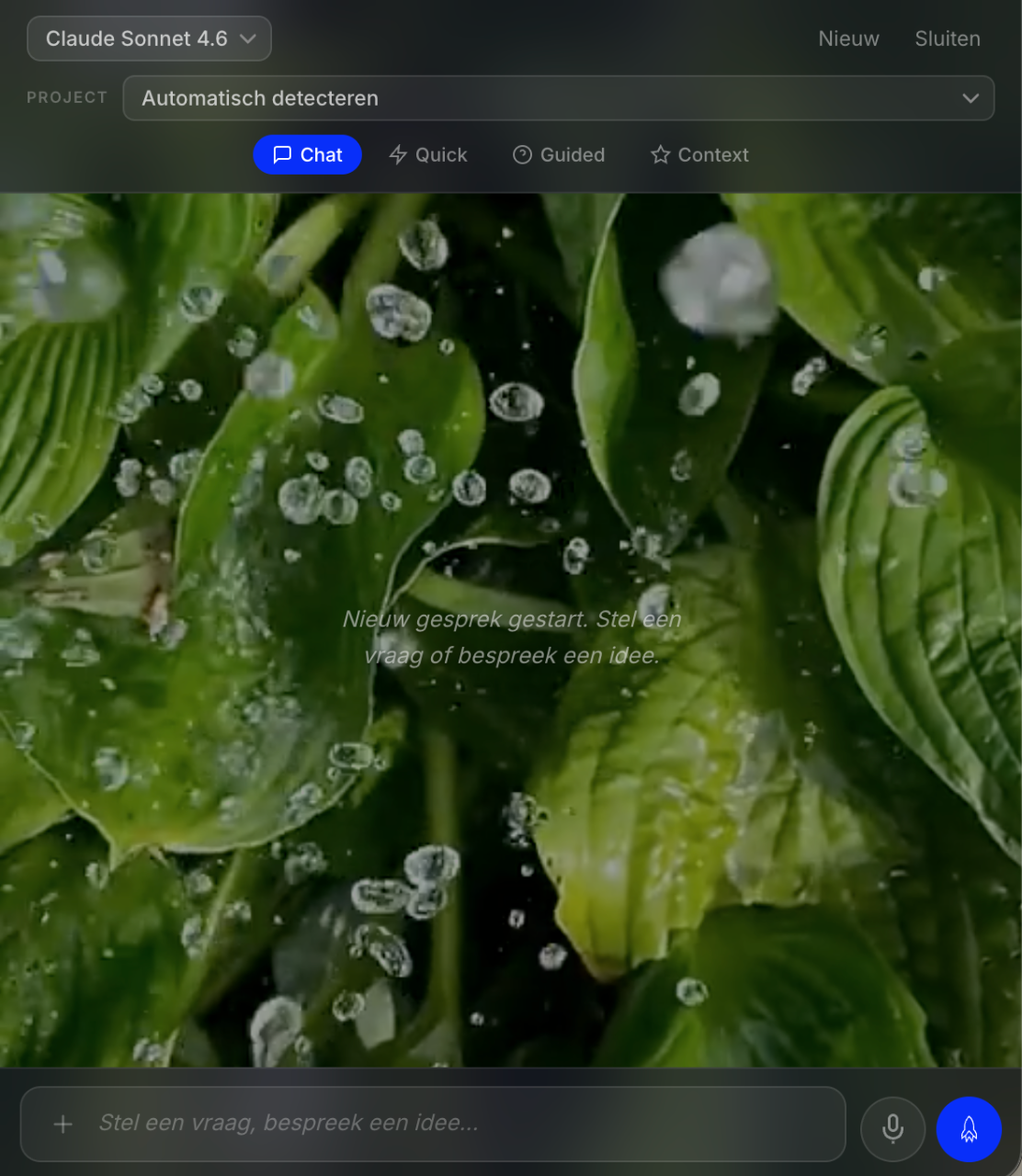
above: Screenshot from the chat assistent of my builder platform.
This past month, I ran an experiment. Not intentionally, I just started building, and then couldn't stop.
In 31 days I built 15 projects:
A weather/what-to-wear app with my son Eli. A food app for the family. A Playbook generator. A shortstay aggregator pulling three booking platforms into one dashboard. A platform to help others build with AI. A Mobypicture exporter. A recipe database for a friend. A genuinely cool alarm clock (App Store next week). A notes plugin for e-readers. A journaling platform. A day planner. A smart TV journaling app. Four iOS apps. The scheduling tool I'd been meaning to build for literally years.
I asked Claude to dig through my code and time spent afterward:
275,000 net lines of code across 906 commits (changes sent to the production server). Around 210 hours of active Claude time, about 7 hours a day. Equivalent, by standard industry benchmarks, to somewhere between 12.5 and 50 man-YEARS of development. At Dutch developer rates: between €1.9M and €7.7M in historical cost.
But here's what I want to say about those numbers: they don't really matter.
Not because they're inflated, though some of them are. But because the point isn't the output. The point is what I was willing to build.
Most of this is silly. A recipe database for a friend. An alarm clock. A weather app I built with my eleven-year-old. These are things I would never, not once, have put on a roadmap. They would never have survived the filter. Too small. Too personal. Not enough return on developer time.
I built them anyway. Because the filter was gone.
And that, I think, is the actual story.
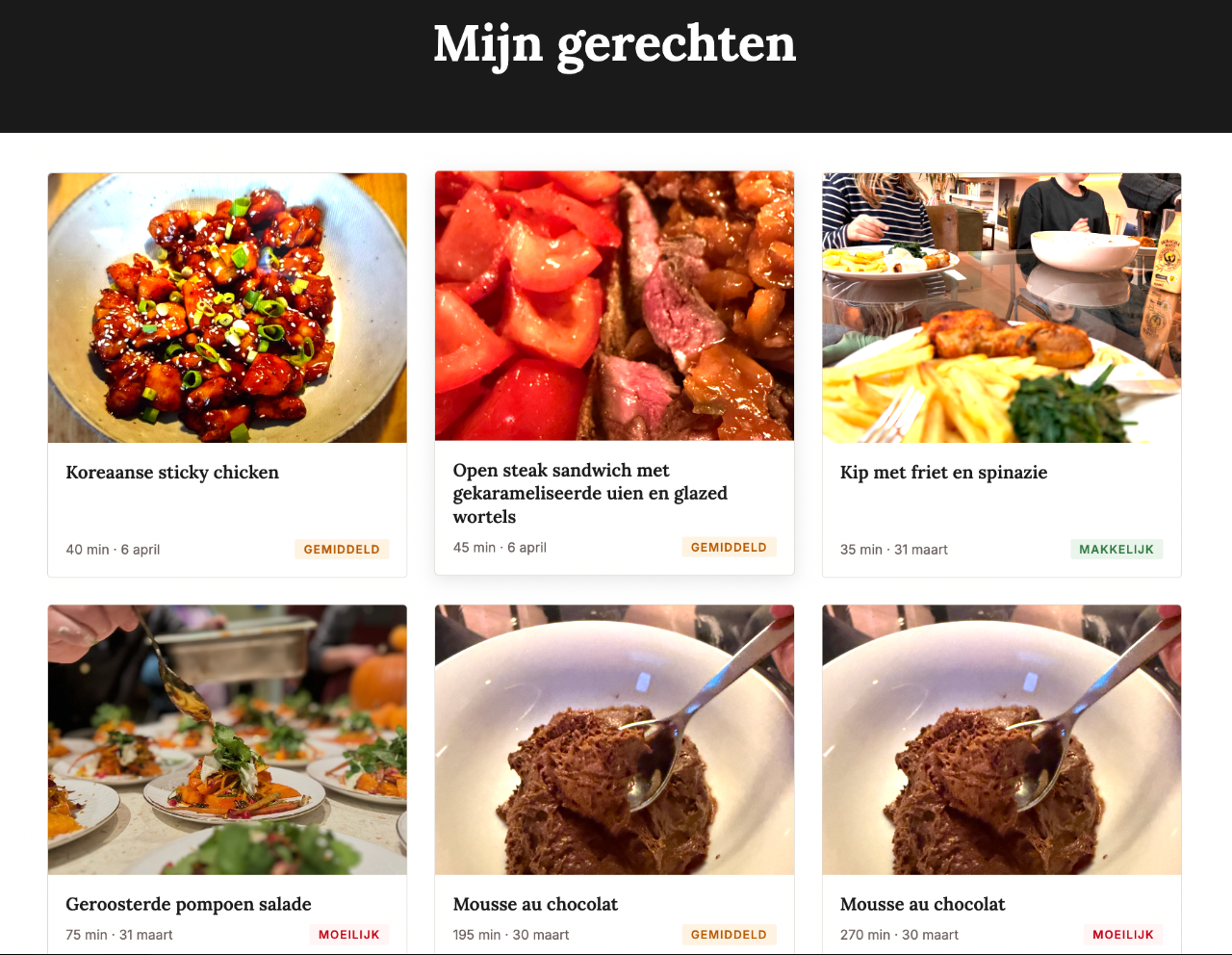
above: Screenshot from my food family platform.
IKEA asked the right QUESTION
IKEA built a chatbot. Billie. It now handles 47% of all customer service questions automatically.
The obvious move, the move most executive teams would make, is to look at 8,500 service employees and start doing math. Margin improvement. Headcount reduction. The reflex is almost automatic: AI saves time, time is money, money goes to the bottom line.
IKEA did something different.
They read the transcripts. Not the cases Billie handled, the ones it couldn't. And buried in that data was a demand they'd never been able to meet: people wanted help with interior design. Real conversations about real choices. Whether the Malm fits. How to make a small apartment feel less small.
IKEA had never had the bandwidth. Every conversation was needed for the queue.
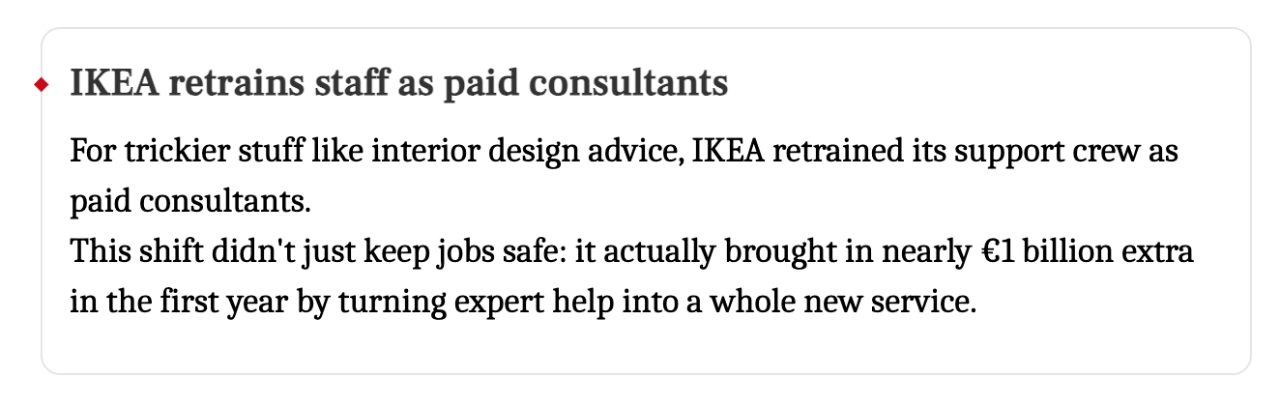
So they retrained those 8,500 people as design consultants.
Result: €1.4 billion in new revenue.
The question most companies ask when AI frees up capacity is: How do we do the same work with fewer people?
IKEA asked:
What work did we always want to do, but never could, because everyone was stuck doing the old work?
That's a different question. A much harder one. And it leads somewhere completely different.
This revolution isn't about efficiency
I keep seeing AI framed as a productivity story. More output, lower cost, faster delivery. And yes — that's real. The numbers from my month are real.
But I think that framing misses the deeper thing that's happening.
Efficiency is about doing the same things cheaper. What's actually becoming possible is doing things that were never on the list, because the list was always pre-filtered by scarcity.
When developer time costs €600–800 per day, you only build what clears that bar. When the marginal cost of building approaches zero, the bar disappears. And suddenly you're standing in front of a completely different question:
What do you actually want to exist in the world?
Not: what can you justify in a roadmap meeting. Not: what's the ROI. What would be genuinely useful, or delightful, or interesting, or just fun, if building it cost you almost nothing?
That question turns out to be much more interesting than the efficiency question. And much harder to answer, because most of us have been filtering for so long that we've forgotten how to want things without immediately running the cost calculation.
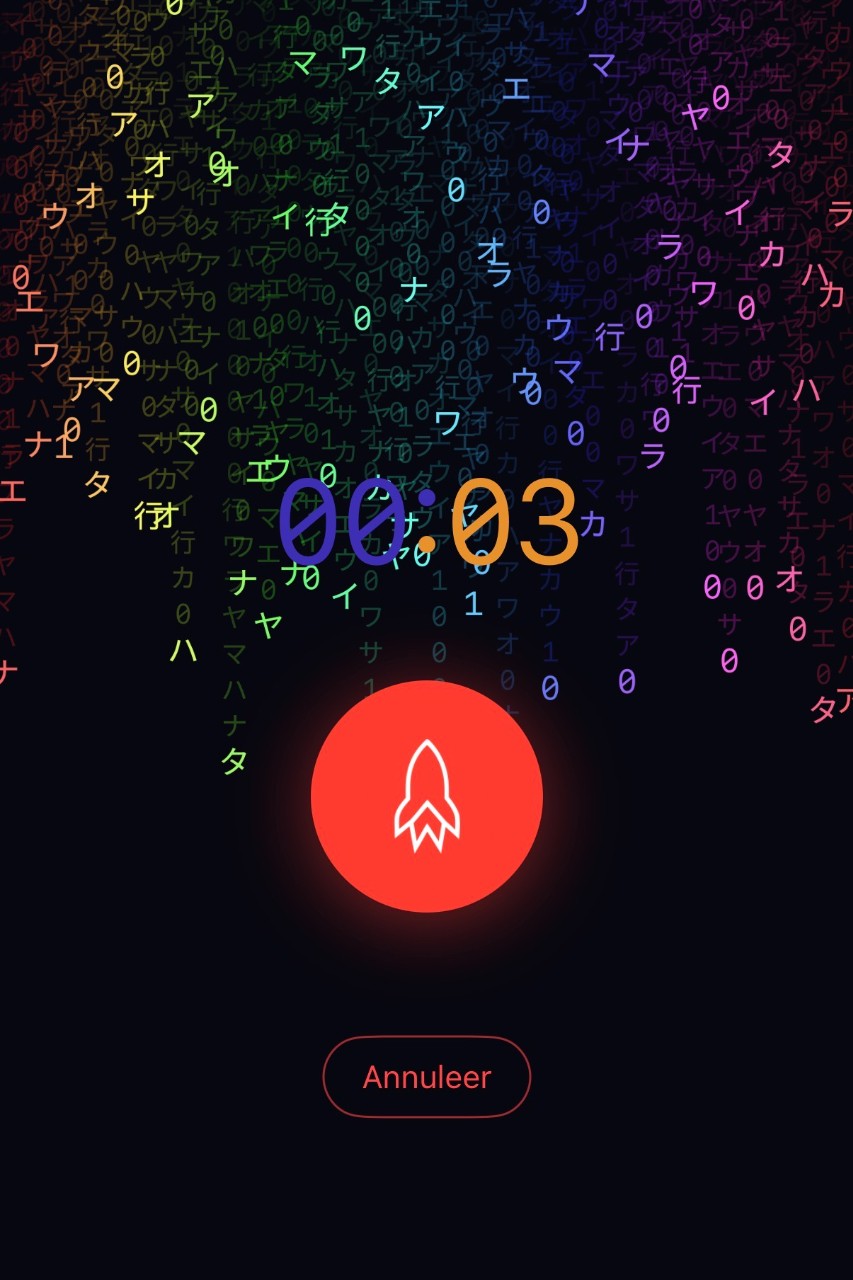
above: Screenshot from the iOS voice note app.
The things you never let yourself build
I didn't sleep much this month. I ran out of tokens every day. I got four other people just as hooked as I am.
My build list is growing faster than I can work through it. And for the first time in a long time, that feels like the right problem to have.
The question I keep coming back to, the one I want to leave you with, is this:
What's on your list of things you never let yourself seriously consider? The idea too small for a sprint. The tool too niche to justify a hire. The thing that would make your life, or a friend's life, or your kid's afternoon a little better or more interesting — but never made it past the filter.
That filter is gone now.
What do you want to build?