Helping Hands
Long before I ever gave it a name, this was already part of my weekly rhythm.
Not a mission.
Not a framework.
Just a simple habit:
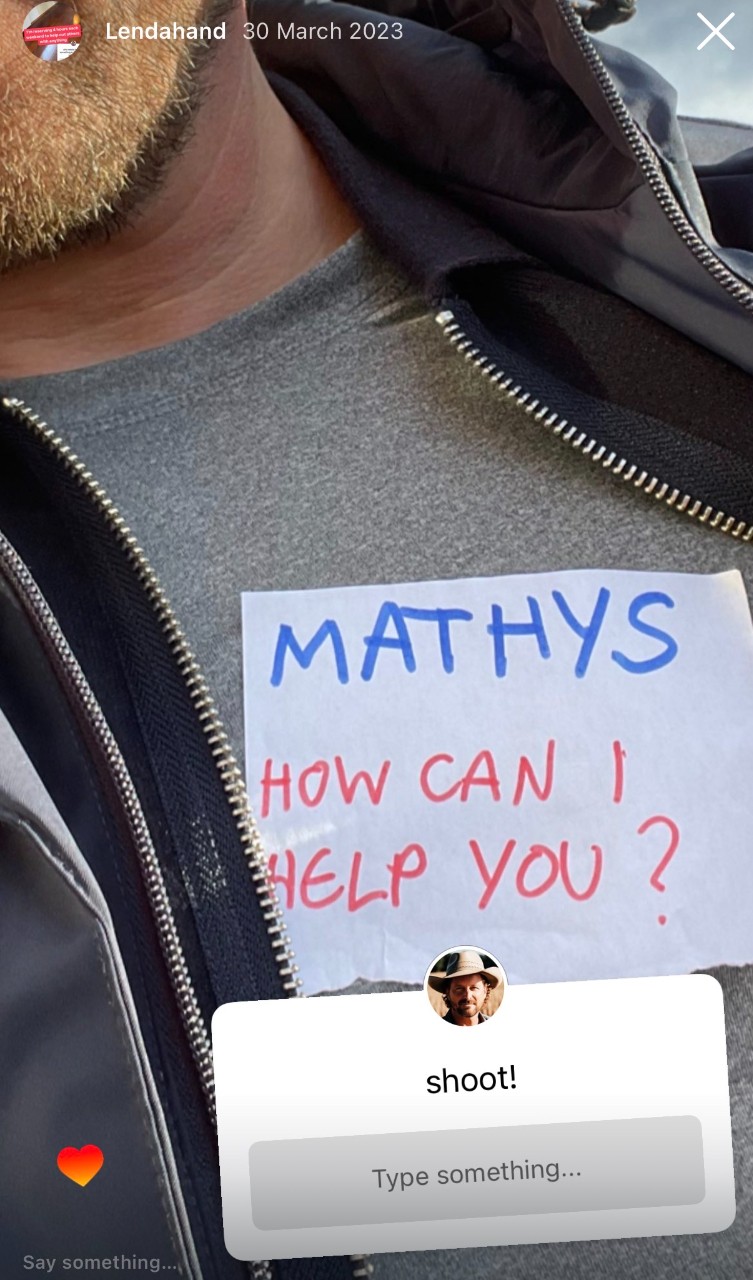
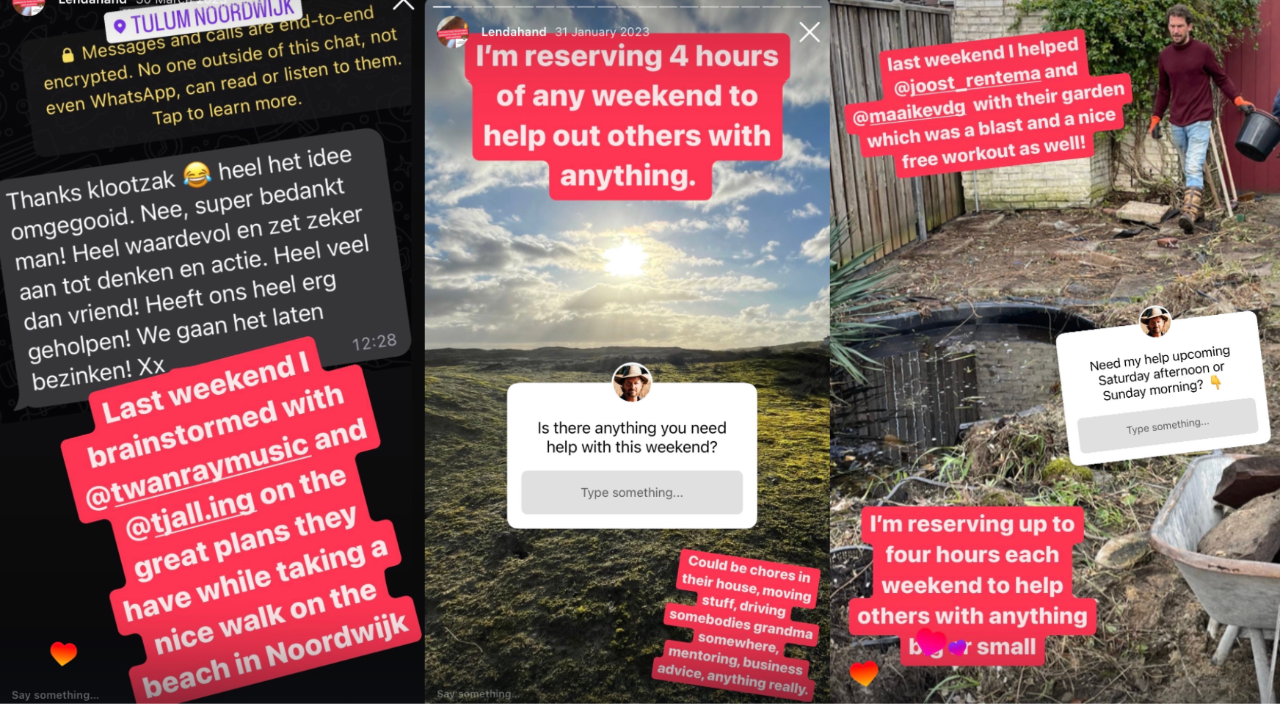
Spend a few hours each week helping others - simple help, concretely, without expectation on my end.
It is a structural practice—one that changes both the helper and the system around them.
This post is an attempt to make that practice legible. And reproducible.
The Helping Hands Constraint
Over time, the habit sharpened into a rule:
Four hours a week. Helping only. From urgency. No hidden agenda.
That constraint matters more than it seems. It prevents help from becoming:
-
performative
-
endless
-
identity-driven
Helping Hands isn’t generosity by overflow. It’s generosity by design.
A Familiar Spirit: Radical, Random Kindness
If this resonates, it’s probably because you’ve seen it elsewhere.
At Burning Man, one of the core principles is gifting:
Acts of generosity without expectation of return.
Not charity.
Not transaction.
Just contribution—sometimes radical, often impractical, always human.
Helping Hands lives in that same space.
Small, local, sometimes absurdly mundane, and precisely because of that, powerful.

The Helper’s High (and why it spreads)
Helping feels good. That’s not poetic—it’s biological.
Prosocial behaviour reliably activates:
-
Dopamine – motivation and learning
-
Oxytocin – trust and social bonding
-
Endorphins – stress reduction
But there’s a second-order effect that matters even more:
Happiness is contagious.
Psychological and social research shows that positive behaviour - especially generosity -propagates through networks. One act of help increases the likelihood that:
-
the recipient helps someone else
-
observers do the same
-
norms quietly shift
This is the pay-it-forward effect, but without the cheesiness.
A flywheel, not a slogan. You help one person. They help another.
Someone watching decides to try it too.
No coordination required.
What the Help Actually Looked Like
Important clarification: Helping Hands was rarely “high-level”.
It naturally split into two modes.
👐 Hands-on (physical, ordinary, grounding)
-
Cleared a backyard after friends bought a house and had to redo the garden
-
Flattened a garden to prepare the yard for a newly installed greenhouse
-
Helped move belongings from a storage unit
-
Disassembled cupboards in a houseboat
-
Hangings paintings in an office or a home
No leverage. No abstraction.
Just being useful with your body or your car.
There’s something corrective about this kind of help. It reminds you that value doesn’t need a narrative.
🧠 Heads-on (clarity, experience, orientation)
-
Helped 100+ (sometimes aspiring) entrepreneurs
-
Mentored people actively trying to get out of debt
-
Mentored entrepreneurs navigating bankruptcy and its aftermath
Most conversations weren’t about brilliance. They were about:
-
naming the real constraint
-
removing false urgency and finding priorities
-
deciding what to stop doing
- or just lending an ear or a shoulder
Often the real gift was permission.
Why the Mix Matters
If Helping Hands were only intellectual, it would float away.
If it were only physical, it would stay narrow and local.
The combination does something subtle:
-
Physical help keeps you humble and embodied
-
Cognitive help keeps you leveraged and relevant
Together, they prevent the two classic traps:
-
the armchair helper
-
the burnt-out giver
This balance is exactly where Me turns into We.
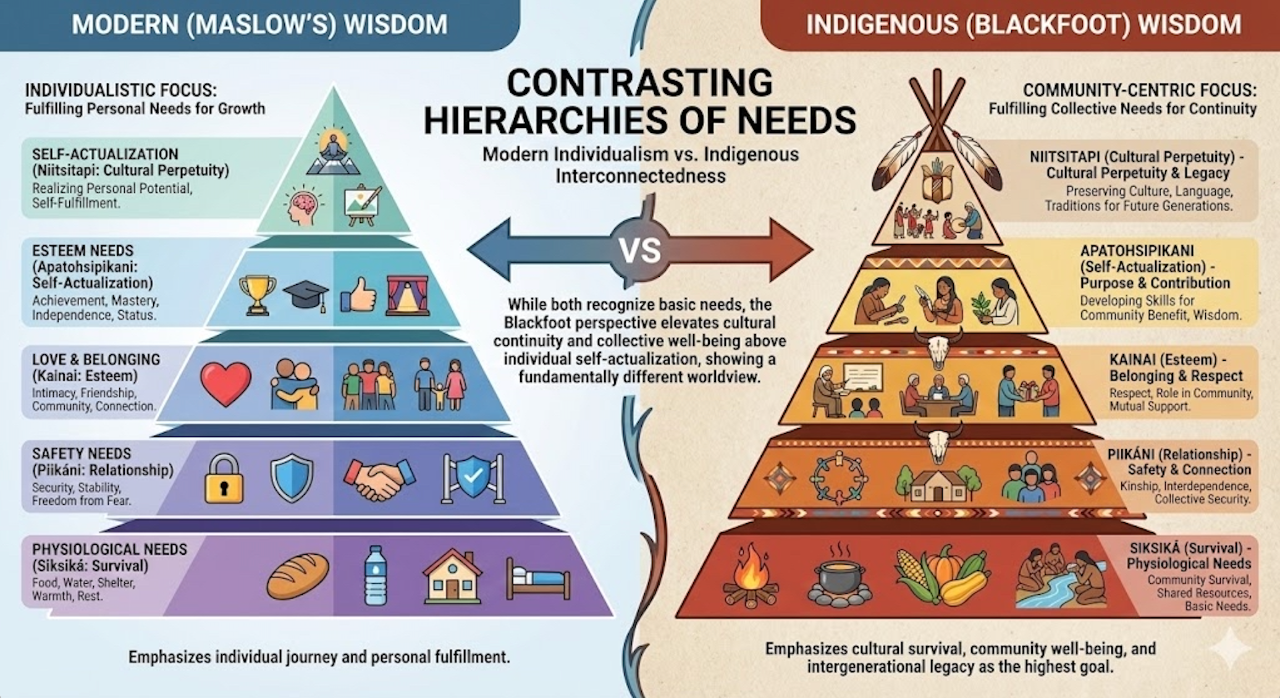
Rewriting Maslow: direction over height
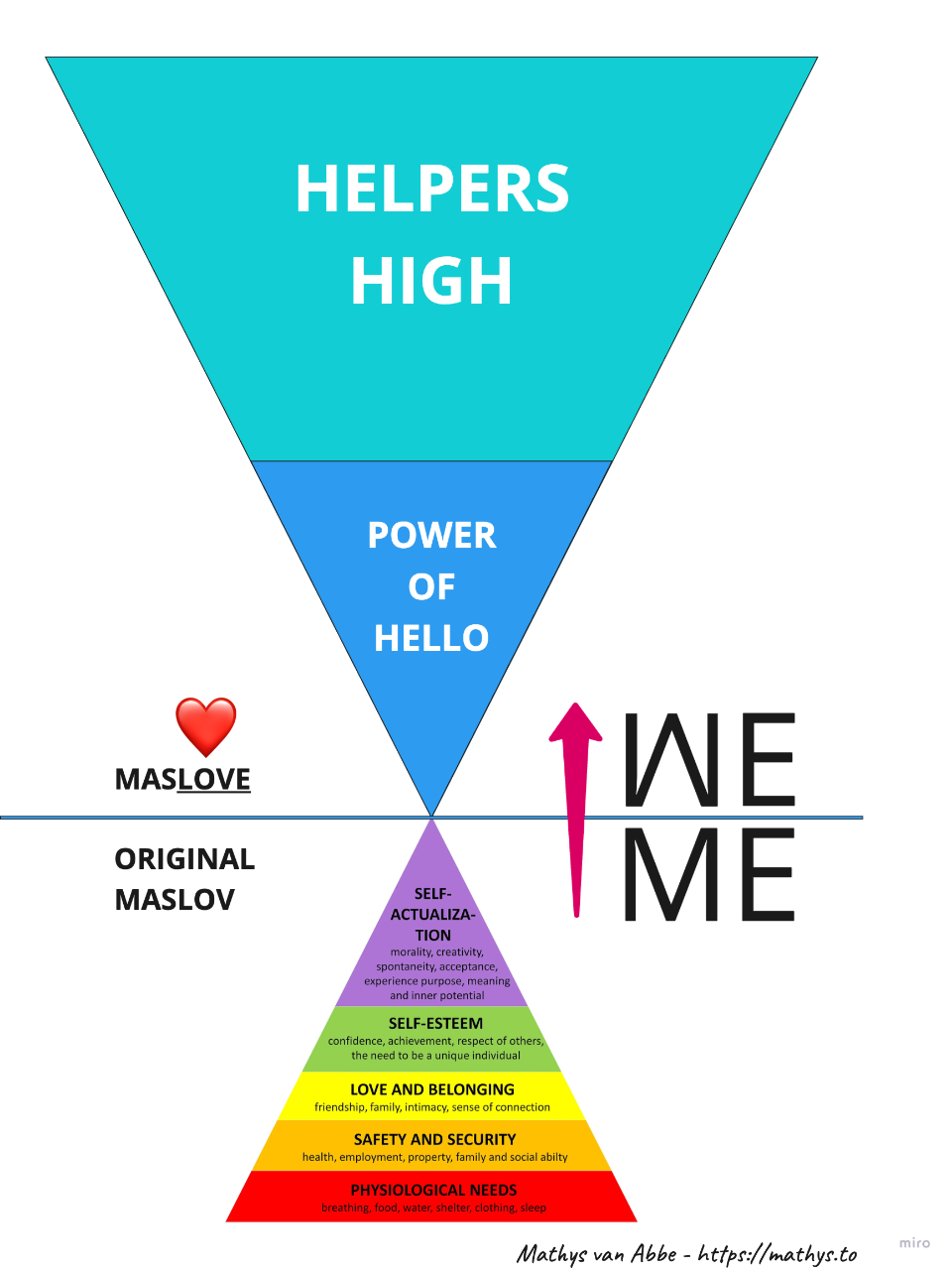
Maslow climbs upward toward the self. That works—until it doesn’t.
Past a certain point, adding more “self” produces diminishing returns. Fulfilment doesn’t come from optimisation. It comes from orientation.
This is why I rewired the pyramid - from Me to We:
Bottom → Top
-
Me (capacity) - skills, health, agency
-
Stability - close relationships, rhythm
-
Helping Hands (the pivot) - outward contribution with limits
-
We - shared systems, leverage
-
Stewardship - making yourself less central
Helping Hands sits at the hinge - where development stops being inward-facing and becomes generative.
The Flywheel Effect (this is the point)
Here’s the part that surprised me most:
People started copying it.
Not because I told them to, but because they felt it:
-
helping didn’t drain me
-
it sharpened me
-
it made life feel more coherent
Some began blocking their own “help hours”.
Others started offering help where they previously hesitated.
That’s contagion.
That’s culture forming without a manifesto.
Want to Join? Steal This
No signup. No movement site.
Just try this for one month:
-
Block 4 hours a week
-
Help once per person - don’t overcommit!
-
Mix hands-on and heads-on
-
End every interaction with:
- one clear next step for them
- no expectation for you
That’s it.
When Helping Turns into Structure #Ad
Occasionally, Helping Hands reveals a deeper need.
Someone doesn’t just need help - they need structure:
-
clearer strategy
-
sharper prioritisation
-
product and tech alignment
-
funding readiness
That’s where my advisory work begins.
Not as an upsell.
As a continuation - only when it fits.
Helping Hands stays free, bounded, and human.
Advisory is for building things that survive pressure - and eventually, your absence.
#Ad
In short
Helping can mean lifting cupboards or lifting fog.
Both matter.
Both spread.
Four hours a week is enough to change you -
and, quietly, the people around you.
P.s. Need help with anything? Follow my Instagram stories. Or let me know otherwise!!