Comfort Is a Killer. That’s Why I Want My Kids (and My Parents) to Suffer… a Little.
We’ve optimized life to be frictionless. Frictionless ordering. Frictionless scrolling. Frictionless living. And yet, our mental health, physical health, and sense of meaning are quietly deteriorating.
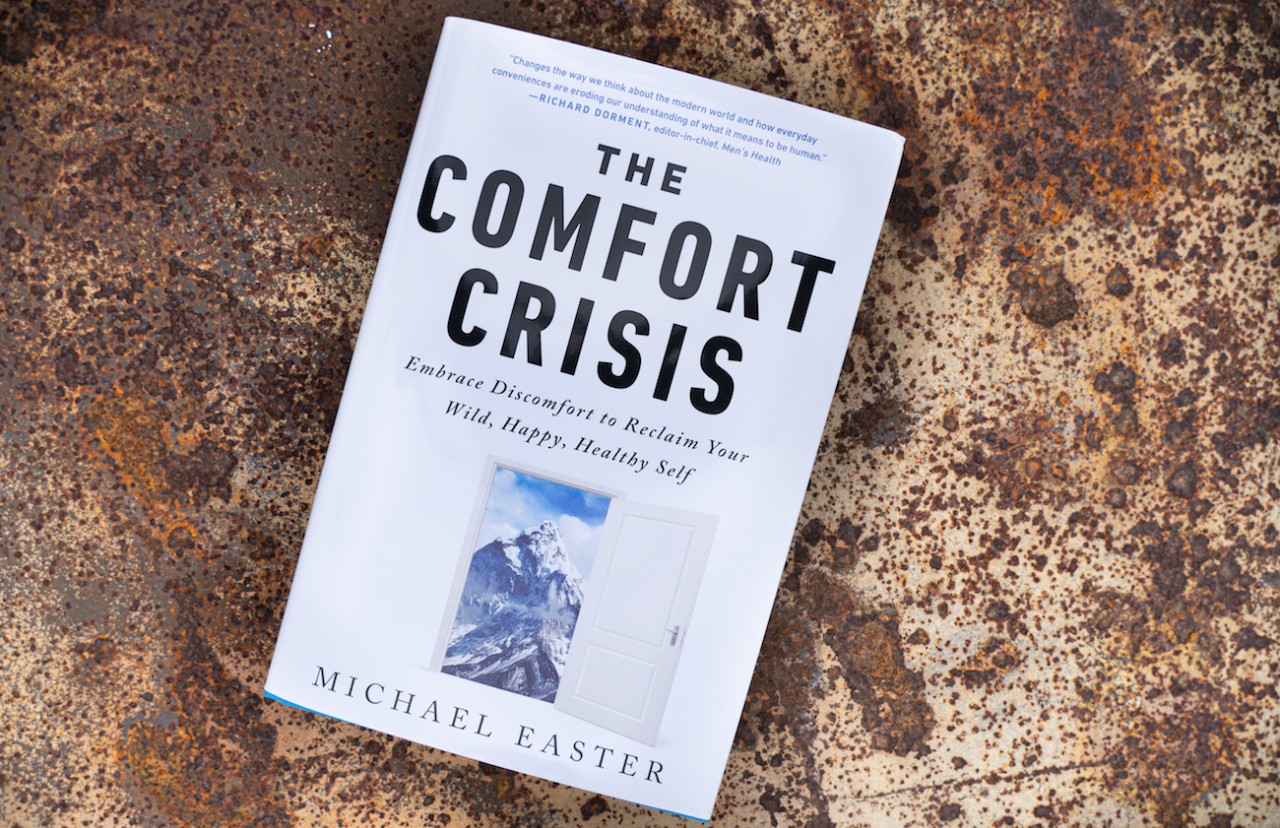
That’s the core message in Michael Easter’s The Comfort Crisis - a book that hit uncomfortably close to home. #punintended
“We are living progressively sheltered, sterile, temperature-controlled, overfed, underchallenged, safety-netted lives.”
What starts as convenience ends in captivity.
My Kids, the Couch, and the Glow That Faded
Like many parents, I see it happening in real time. My kids gravitate toward screens, snacks, and soft cushions. If a task is optional, it’s skipped. If it’s hard, it’s avoided. I get it. I’m guilty too.
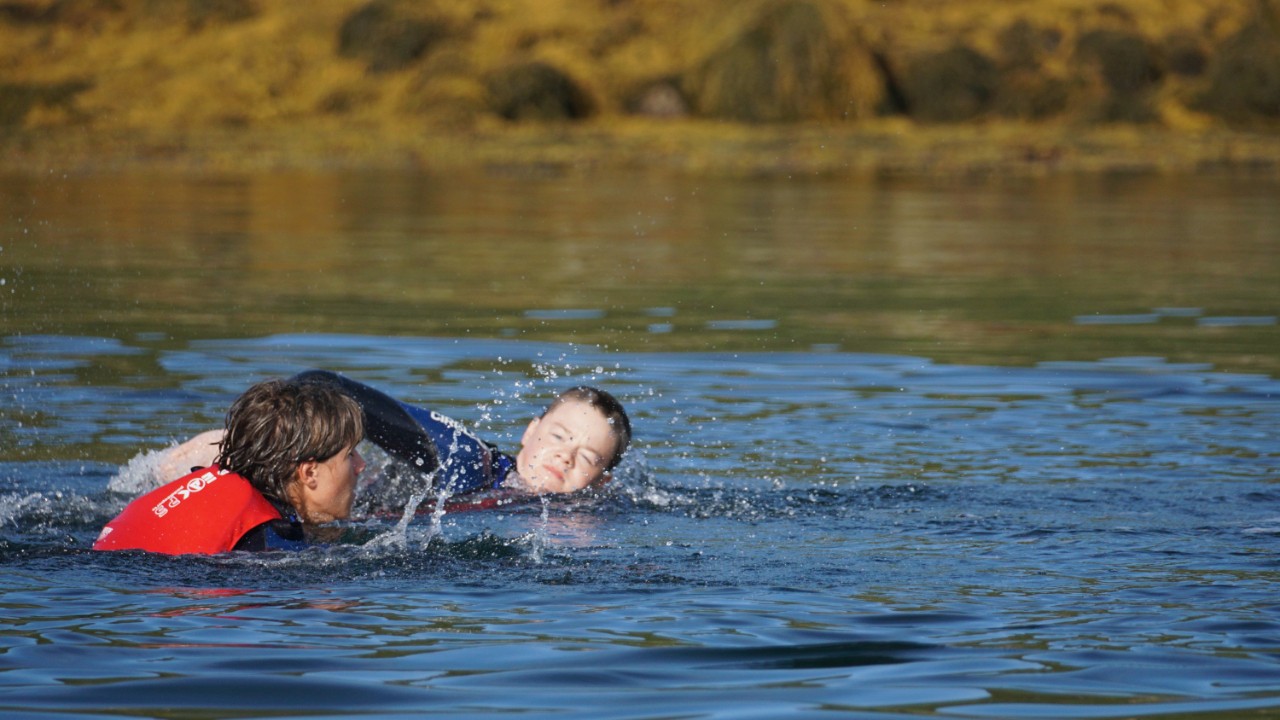
But then I think of my son Mika. At 16, he went to an outdoor survival camp in the Scottish Highlands — rain, mud, no tech, physical exhaustion. (One I went to when I was his age as well!) He came back different. For a few weeks, he woke up early. Cooked his own eggs. Was proud of small discomforts. He even said:
“I wish it had been tougher.” - Mika (15)
But that faded.
Because the pink cloud always fades. Comfort creeps back in unless we fight for its opposite.
Misogi and the Art of Intentional Suffering
Easter introduces the Japanese concept of misogi: once a year, do something so hard, so unknown, it has a 50% chance of failure.
For me my last misogi was Burning Man, 2025. Not for the parties or the photos — but because it strips me raw. It’s dusty, exhausting, overwhelming. But afterwards? I see clearer. I feel more alive. That’s the point. The violent rains storms in the beginning of the week made it tough and unexpected.
Easter argues that we must deliberately place ourselves in physical and psychological stress to grow. Why? Because our ancient bodies were built for chasing prey, carrying loads, sleeping on uneven ground, and enduring uncertainty. That’s what made us strong. We’ve eliminated all of it in our daily lives.
Rucking > Running (especially for my almost 79-year-old parents)
One idea from the book I now think about daily: rucking.
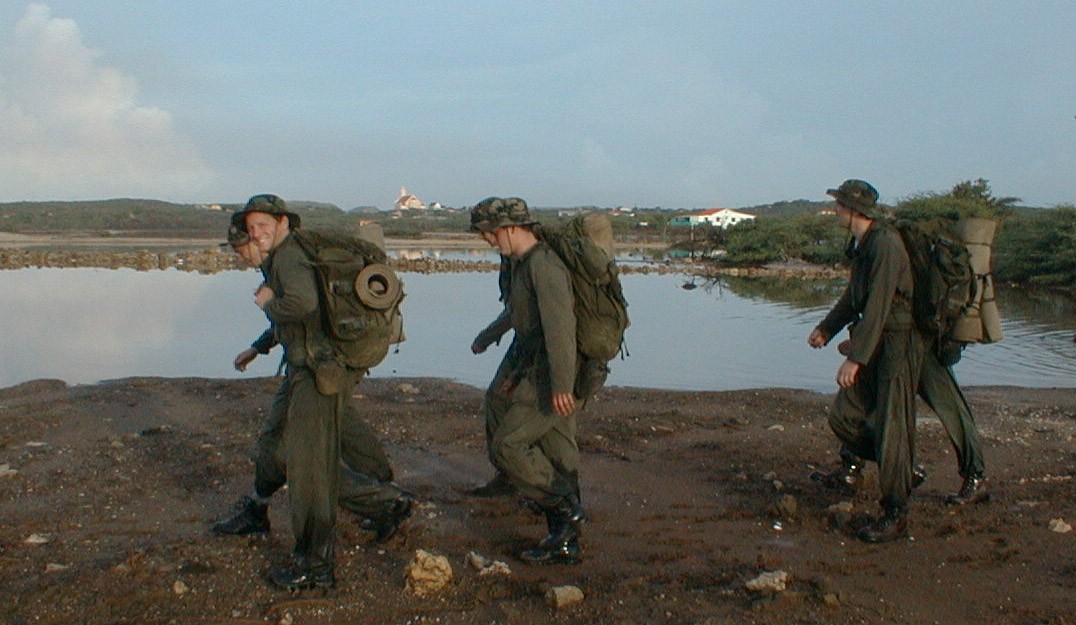
It’s simple: throw a weighted backpack on and walk. Rucking gives the cardio benefits of running, but without the joint-punishing injuries. As someone who’s had runner’s knee, this clicked hard.
I’m even thinking of getting my 79-year-old parents into it. If you can walk, you can ruck. And it may do more for heart health, longevity, and mental clarity than any pill ever will.
Boredom, Solitude, and Why We Fear Stillness
Easter also makes a powerful case for boredom, a state we now avoid like the plague.
But boredom, Leo Tolstoy is quoted, is a “desire for desires.” It’s a motivational state. It signals the need for direction. Creativity. Depth.
The same goes for solitude, which we often confuse with loneliness. In a world facing a global loneliness epidemic, it's crucial to distinguish between the two. Loneliness is an absence — of connection, of meaning, of belonging. But solitude? Solitude is presence — with yourself, your thoughts, your surroundings.
We seem afraid of solitude, yet it’s one of the healthiest things we can embrace. Research shows that solitude—when chosen—reduces stress and enhances well-being, while loneliness, a perceived absence of social connection, is linked to increased inflammation, depression, and cognitive decline (Weinstein et al., 2023; Jimenez et al., 2021). When we allow ourselves real solitude, not masked by entertainment or distraction, something vital resets:
-
Two hours of real silence increases brain cell production in areas that fight depression.
-
Just 20 minutes in nature can lower cortisol and recalibrate your brain’s alpha waves.
-
Even a walk past trees improves mental health and reconnects us to a quieter rhythm. Studies show that just 20–30 minutes in green space can significantly lower cortisol levels and promote cognitive recovery (Browning et al., 2023; ART framework).
Solitude isn’t withdrawal. It’s reconnection — with ourselves and the world, without the noise.
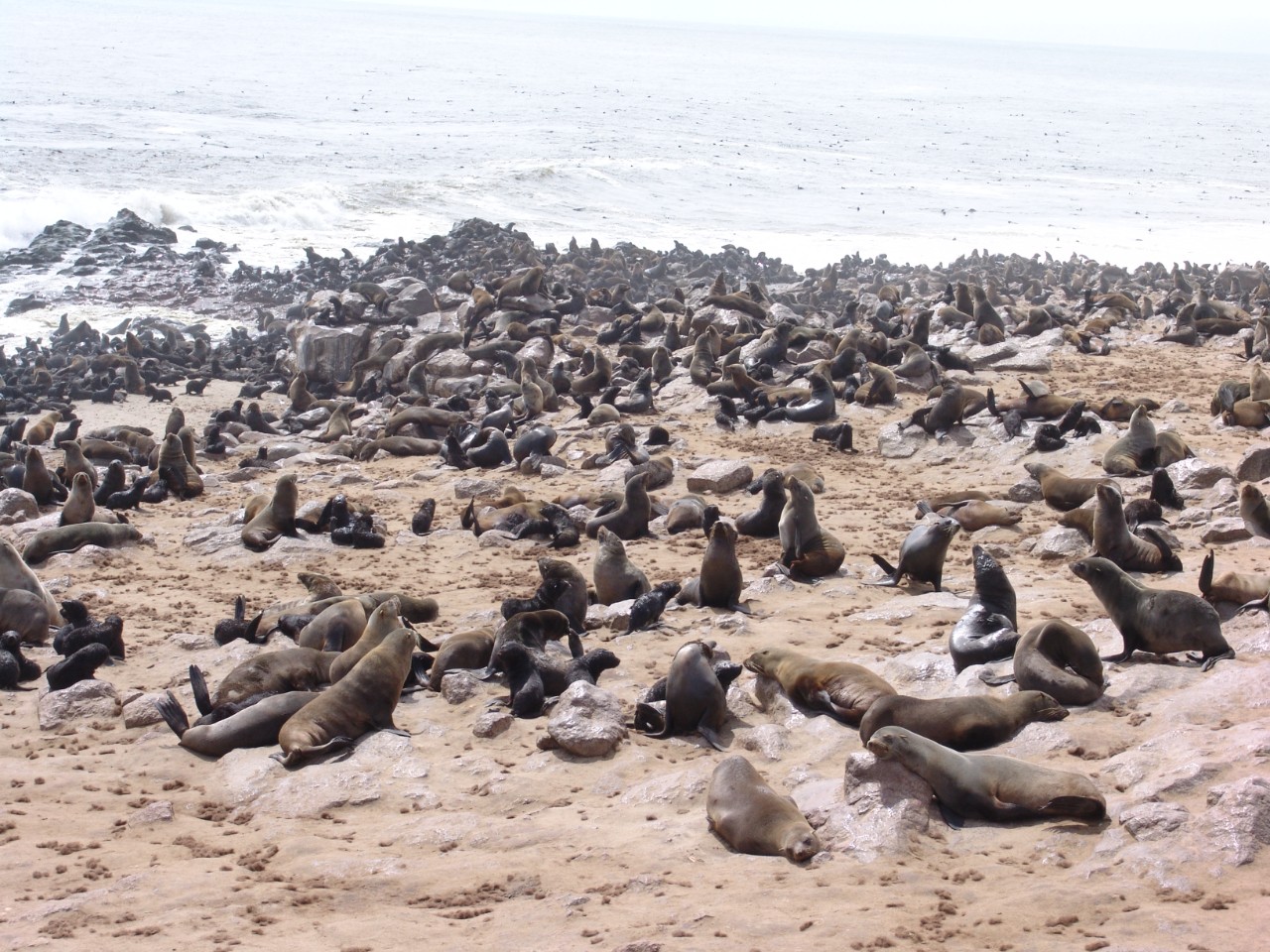
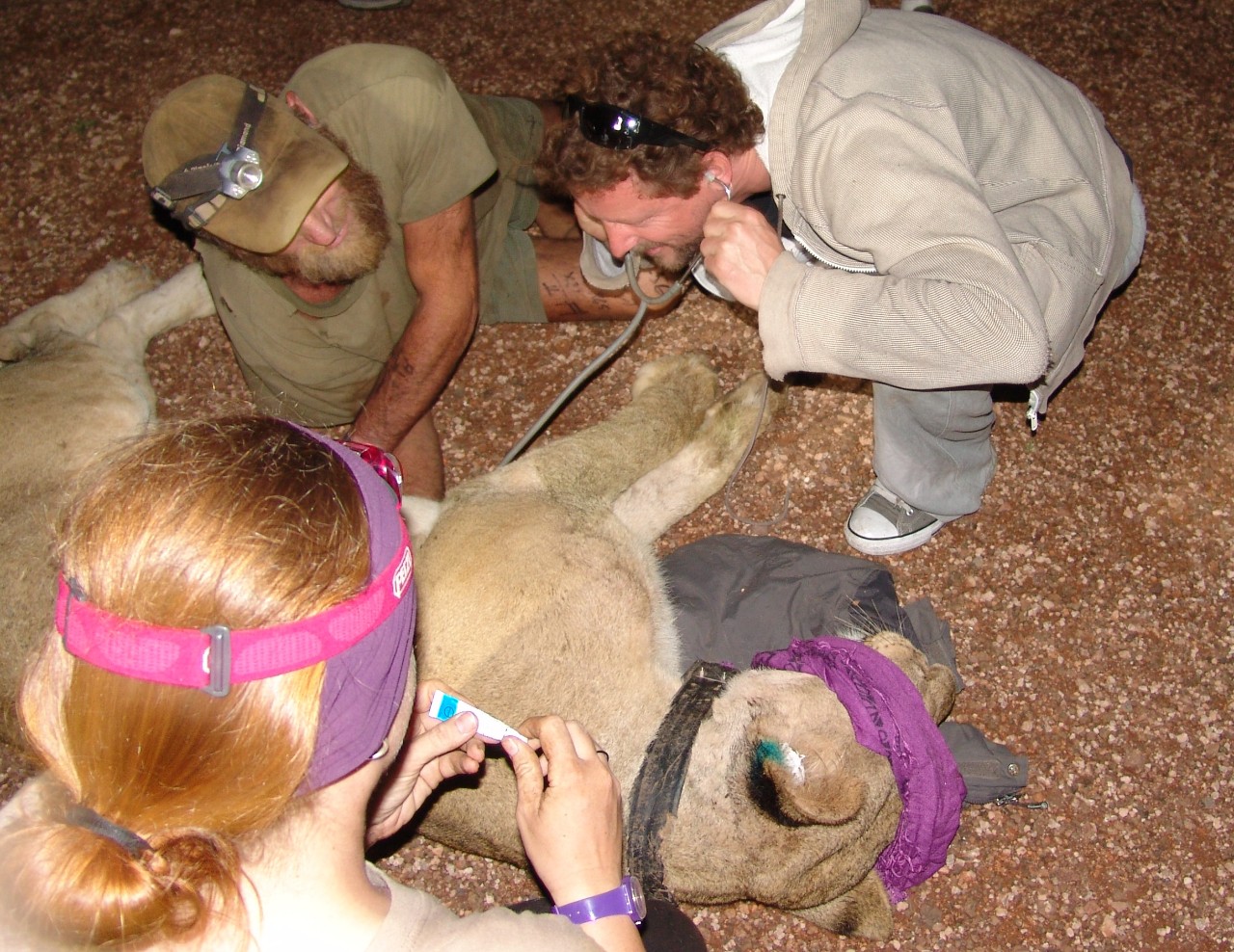
Namibia, Cape Cross, 2013, A lonely far place, quite the misogi to get there. Not quiet and very very smelly :P
The Invisible Toll of Modern Comfort
The book is full of gut-punching data:
-
Heart disease kills more than 25% of us.
-
Cancer: 22.8%.
-
Exercise reduces risk across all these fronts — sometimes more than medication.
-
The average prehistoric woman was 16% stronger than today’s Olympic rowers.
-
Captive orcas’ fins flop over due to lack of stress. Our bodies are doing the same.
One line that stuck with me:
“Exercise-induced fatigue is predominantly a protective emotion.”
Translation? You’re not tired. Your brain is just scared. And that’s where growth begins.
💡 So What Now?
This book didn’t just make me want to go on a hike. It made me want to change the defaults - for myself, my kids, and my parents.
-
Encourage my children to be bored. And then to explore.
-
Schedule a monthly misogi - something hard, uncertain, maybe even silly. I want to start doing these with my kids - not just as a challenge, but as a ritual of growth.
-
I already walk 20k+ steps a day, but I’ve begun adding weight to my backpack - rucking through the city and countryside.
-
At home, I’m gradually lowering the thermostat from 20 to 17.5°C, to ease the kids (and myself) into embracing a bit more cold.
-
I want to sit more upright - not slouched on the couch like I am right now, writing this blog 😅
-
Resist the easy. Welcome the edge.
Because on the edge is where life stops blurring into itself. Where the pink cloud returns. Where memory roots. Where we’re reminded - painfully and beautifully - what it means to be human.
🔄 TL;DR: How to Live The Comfort Crisis
-
Once a year, do something with a 50% chance of failure. Bonus points if it scares your kids (and you do it with them).
-
Walk with weight (ruck). Start with what you already carry. Add slowly.
-
Get bored. Do nothing. Let your brain itch. Then watch what emerges.
-
Spend time in nature. At least 20 minutes, 3x/week. Green beats screen.
-
Drop the thermostat. Shift from 20°C to 17.5°C and let your body adapt.
-
Sit upright. Ditch the slouch. Your spine is a totem, not a hammock. :)
-
Let discomfort be your teacher - not your enemy.
Let discomfort be your teacher - not your enemy.
📚 References
-
Weinstein, N., Nguyen, T. V., & Ryan, R. M. (2023). Balance between solitude and socializing predicts well-being. Scientific Reports. link
-
Jimenez, M. P., DeVille, N. V., Elliott, E. G., Schiff, J. E., Wilt, G. E., Hart, J. E., & James, P. (2021). Associations between nature exposure and health: A review of the evidence. International Journal of Environmental Research and Public Health, 18(9), 4790. link
-
Browning, M. H. E. M., & Lee, K. (2023). Short durations of nature exposure reduce stress biomarker cortisol: A systematic review and meta-analysis. Behavioral Sciences, 15(2), 153. link
-
Kaplan, S. (1995). The restorative benefits of nature: Toward an integrative framework. Journal of Environmental Psychology, 15(3), 169–182. [ART - Attention Restoration Theory].